


Inside the digitalisation of the UK passport service
 Maya Sgaravato-Grant
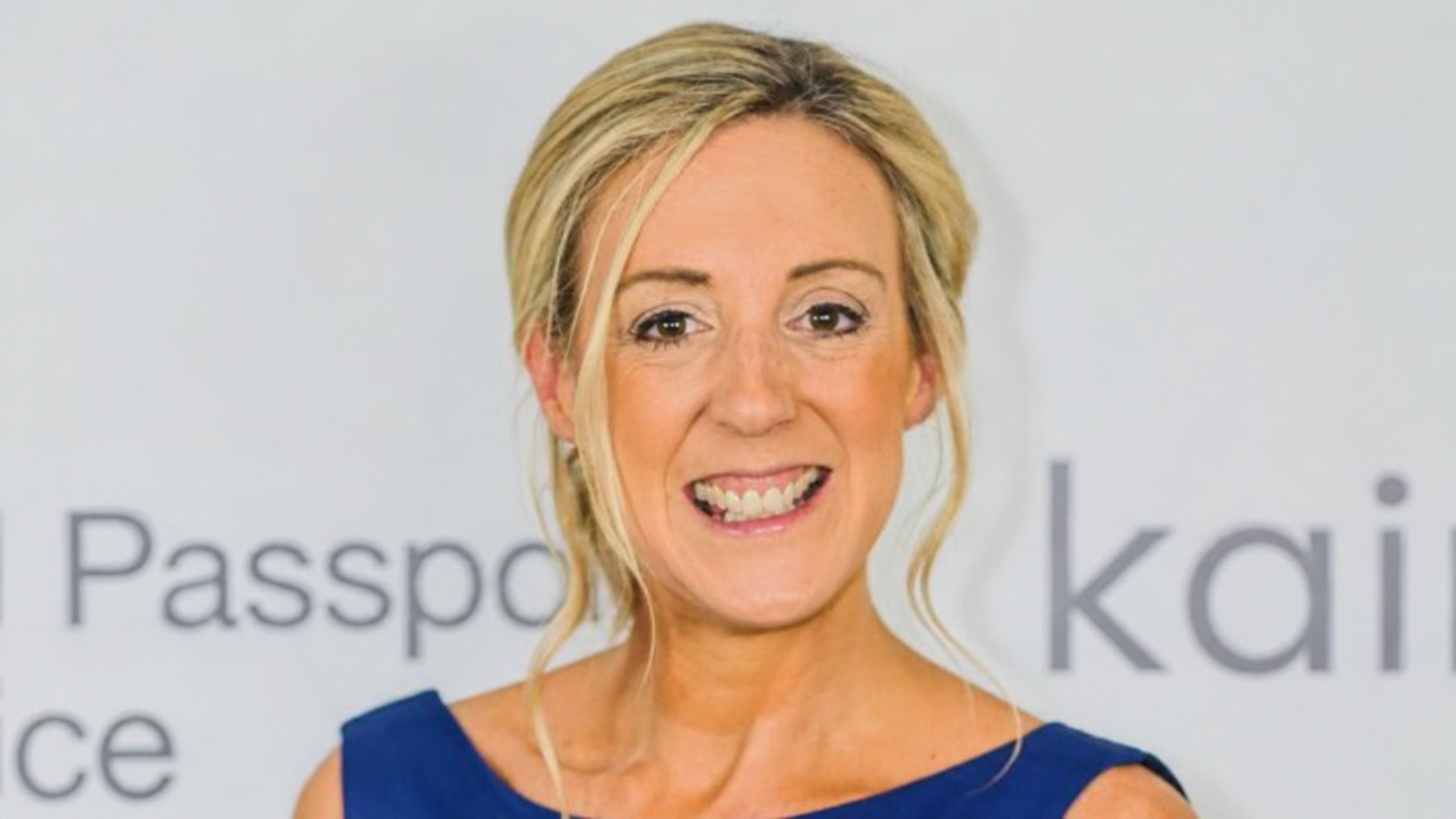
“Complete disbelief” is the feeling Cat Walden, Digital Director for Passports, Citizenship and Civil Registration at the Home Office, remembers most vividly from the week following the launch of the Passport Office’s digital service.
In line with the government’s wider aim of modernising public services, the Home Office had set out to replace its largely paper-based passport service with a digital operation that would simplify life for the over 80% of British nationals who hold a passport.
After seven years of effort, the new digital platform was launched in one weekend. Cat had staff work in shifts to deliver a heightened support model, expecting a large number of problems to come flooding through given the scale of the endeavour. Yet it was quiet.
“I stood the support down on Thursday of the first week because they hadn’t needed to do a single thing - because there were no problems,” she said. “So yes, complete disbelief”.
Cat stated that the key to the success of the digital overhaul was its grounded in its method.
“It was crucial to have a really clear understanding of why we were doing the things that we were doing at the time that they were happening,” she said.
“[We made] sure that we had the right resilience and the real-time decision-making capability, and that tech ownership as well, so that we have civil servants that truly understand the services and the products that they are running and managing”, she said.
The greatest challenges they faced in this were migrating over 800 million passport-related records to a new database, and transitioning 140 areas of government to a new data-sharing system.
Data is fundamental to the work of HM Passport Office, underpinning the processing of British passport applications and the use of passports as trusted identity documents. Keeping this data secure, and providing access to it in a reliable way, was therefore paramount to the digitalisation of the passport service.
However, the team’s biggest test came from the pandemic.
“COVID was a real low point,” she said. “For us, the same people who were working on our project were all of a sudden needing to develop the tools to enable people to work from home.”
“This took people away from the programme, and we needed to change our ways of working overnight,” she added.
The need to shift focus and methods of working was a recurring problem throughout the project. In addition to COVID, the team had to adjust to the changes which accompanied Brexit, as well as changes in personnel.
Yet Cat argued that the one defining factor to the project’s success was making an active effort to build up confidence among business stakeholders, despite the complexity of the project making this a challenge.
She said: “We were continually building our profile within the business so that they could understand what we were doing, and also that we were pretty good at what we were doing.
“Every single thing we did was to prove that we were ready for the next step, to build trust and confidence in our capability.”