


Putting people at the heart of change: Reflecting on the role of process improvement
 Ted Twaalfhoven
.jpg?width=800&height=450&name=process%20imporvement%20(1).jpg)
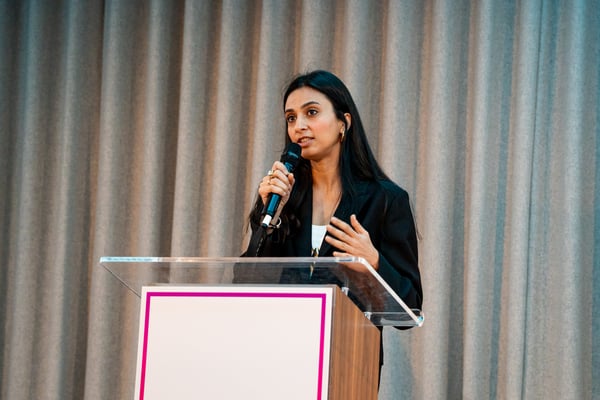
At November’s Government Transformation North event in Manchester, one message stood out: process improvement is not just a technical conversation, it’s a people conversation.
As Engage Process hosted the Process Improvement roundtable discussions, leaders from local and central government shared similar challenges and ambitions. Despite differing organisational realities, there was agreement that process management is essential for successful transformation in the public sector, built around clarity of purpose, human-centred design, and courage to rethink long-standing ways of working.
Start with objectives, not frameworks
It can be easy for transformation teams to jump straight into methodologies or tools. But in reality, process improvement starts far earlier with defining and communicating the objectives and outcomes that matter. Before building frameworks, leaders must answer, “What are we trying to achieve for citizens and the organisation as a whole?”
Starting with your objectives gives teams a shared vision, and provides a foundation for change.
A target operating model provides the anchor
For broader or more complex transformations, roundtable attendees highlighted the importance of having a clear Target Operating Model (TOM). A well-defined TOM shows where the organisation is heading and gives teams the context needed to make smart, consistent decisions during redesign.
Without it, process improvement may deliver local optimisation, but miss out on organisation-wide progress. With it, teams can see how their work feeds into a wider vision for service delivery and culture.
For technology to be the solution, you must first define the problem
With new digital solutions constantly arriving on the market, the temptation to buy first and define the problem later is a common pitfall.
Participants at the table emphasised the importance of truly understanding the challenges and optimising existing processes before investing in technology. This message takes on even greater relevance in the context of AI and automation. As Bill Gates once stated, “The first rule of any technology used in a business is that automation applied to an efficient operation will magnify the efficiency. The second is that automation applied to an inefficient operation will magnify the inefficiency.”
For public sector organisations operating under intense budget pressure, this highlights the crucial importance of process improvement.
Considering the human side of change
While many organisations focus on how quickly new systems or processes can be delivered, the public sector leaders noted that there is a human element to any change programme, including a grieving window that should be factored in.
Sam Pittam-Smith, Head of Transformation at Cheshire East compares this idea to the “knitting” and weaving together of people, processes and culture. You can implement technical change quickly, but real adoption and improvement can only happen when this “knitting” is done with care. This reframes the narrative from “why is delivery slowed?” to “how do we create the space people need to adapt, learn, and participate in the change?” Organisations that build this in benefit from smoother transitions and more sustainable outcomes.
Silos are the enemy of progress
Siloed working remains one of the biggest barriers to change in the public sector. Leaders expressed ongoing frustrations with fragmented structures that hinder collaboration and slow decision-making.
Process improvement, they noted, offers a practical reason to bring people together across departments. Collaboratively working through a process enables shared understanding, exposes duplication or ambiguity, and uncovers insights that can be applied throughout the council.
To get team input, all players must be present
In addressing the challenge of siloes, Ted Twaalfhoven, CEO of Engage Process shared further insight, noting the analogy that, as a coach or team captain, you wouldn’t discuss a match with some players still in the changing room. Yet in business, we routinely make decisions about workflows, roles, and processes without all relevant stakeholders represented.
Equally, in sports, teams pause at halftime to huddle, reflect, and adjust their strategy. In business we rarely embed time for reflection, even though it is an essential step for continuous improvement.
Changing this mindset is key to unlocking better process improvement outcomes. When teams are fully represented, insights surface earlier, collaboration strengthens, and resistance to change is addressed upfront.
Building for the future
Government Transformation North made clear that process improvement is evolving. It is no longer about diagrams, systems, or frameworks. It is about people, outcomes, and a shared ambition to deliver better public services.
To learn more about Engage Process, visit us at engageprocess.co.uk.



.jpg?width=600&name=Government%20Transformation%20Show%20-%20podcast%20(11).jpg)