


Launch of “PoliceAI” centre announced
 Maya Sgaravato-Grant
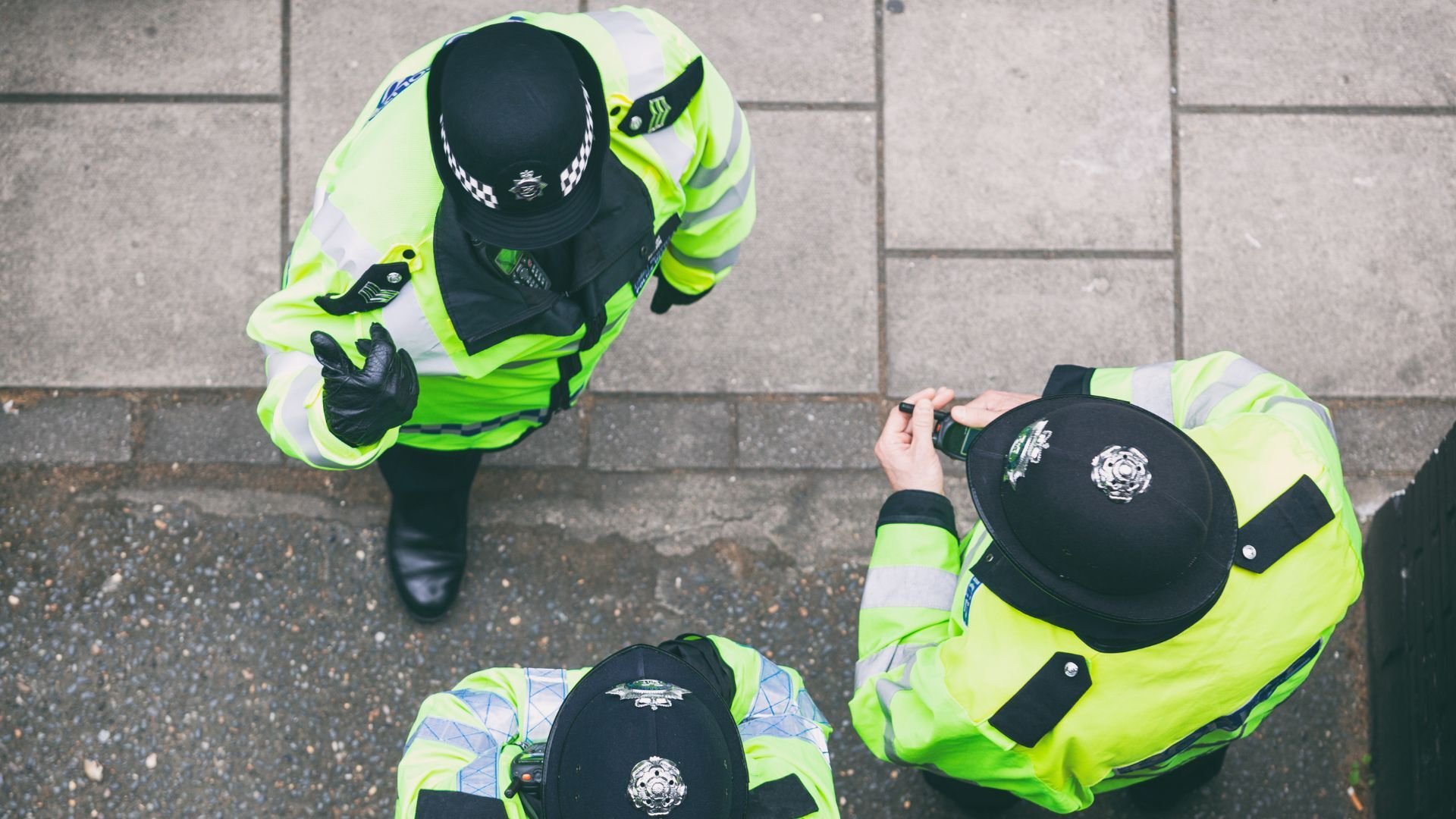
A new centre dedicated to developing and scaling artificial intelligence across English and Welsh policing has been formally launched.
“PoliceAI” will receive £75 million in government funding over three years to identify, test, and scale tools which would prove useful across forces. In the first year, areas where AI can make the most significant immediate impact will be prioritised.
Early trials of AI technology in policing saw 800 hours of footage in a kidnapping case analysed in 3 hours, and the instant translation of half a million e-books of data. These led to an early guilty plea and the arrest of a serious organised crime gang respectively.
Policing Minister Sarah Jones said that the centre will build on the productive work already being done through AI within the force.
She said: “PoliceAI will transform how every force in England and Wales works, improving police access to data and intelligence, generating new evidential leads and ultimately freeing up the equivalent of 3,000 extra officers and putting more police back where they belong: in our communities.
“But we will only realise that potential if we do this responsibly, with public consent at every step. That is exactly what PoliceAI is designed to deliver.”
Over 2026-27, the centre will be tasked with running large-scale pilots in up to 10 forces to trial technology which should aid officers in triaging, disclosing and summarising digital evidence more effectively. This should be scaled to all police forces in 2027, with it being expected to save officers millions of hours per year.
Through a new Policing AI Threat Hub, PoliceAI will also lead the national policing effort to combat AI-enabled crime, such as intimate deepfake images, through the use of high quality deepfake detection tools. In addition, the centre will also help police determine the rightful owners of stolen tools to permit them to be swiftly returned to victims, helping them take on retail crime and tool theft.
PoliceAI interim director Alex Murray OBE said: “Crime and technology are evolving rapidly.
“Policing must keep pace by adopting AI responsibly to catch criminals and keep people safe.”
PoliceAI forms part of a wider £140 million three year investment in AI technology, which also includes funding for an additional 40 live facial recognition units. The government will also invest £16.5 million in AI that transcribes 999 and 101 calls, identifies patterns between different AI reports, and triages non-emergency calls to the correct responder.
The launch of the centre, which is set to be part of the planned National Policing Service, is a core component of the January 2026 Police Reform White Paper.
Going forward, the centre is to publish a public registry of AI tools in use across policing, in partnership with Sheffield Hallam University’s Centre of Excellence in Terrorism, Resilience, Intelligence and Organised Crime Research.





.jpg?width=600&name=Liz%20Kendall%20(2).jpg)