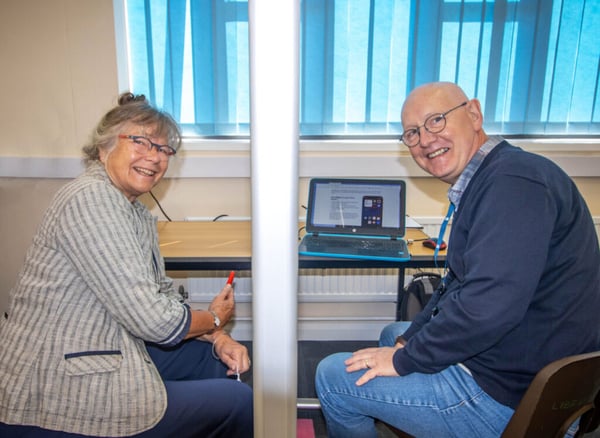


Government invests £11.7 million in digital inclusion for regional communities
 James
James

The government has announced a major investment in its digital inclusion agenda, with 80 locally led schemes receiving support from the £11.7 million Digital Inclusion Innovation Fund. The investment aims to close the digital divide for the eight million adults in the UK who lack basic digital skills and the 1.6 million people who remain offline altogether.
Rolling out across every region, the funded projects target groups most at risk of exclusion, including disadvantaged young people, older residents and people experiencing homelessness. The goal is to ensure that everyone can access essential digital services, from booking GP appointments and managing benefits to finding cheaper deals on food, transport and insurance. Research shows that people without internet access pay on average 25 per cent more for everyday essentials, highlighting the cost burden of digital exclusion.
Announcing the schemes, Minister for Digital Inclusion Liz Lloyd said the government is “tearing down the barriers to success and making the future work for all, not just the fortunate.” Being online, she said, can mean “a new job opportunity, quicker access to healthcare or a lifeline to the local community,” and the fund will empower grassroots organisations to help people build the skills and confidence they need.
The projects funded reflect a wide range of community priorities. The Bromley by Bow Centre’s Connected Lives initiative will provide skills and devices to residents attending its Welcome Hub, supporting tasks such as bill payments and benefits management. Age UK will run events to help more than 7,000 older people use the NHS app to manage their health. Sheffield United’s Community Foundation will use e-sports gaming to engage young people in digital skills and safe online behaviour, while the University of Bristol’s Future IDEAS project will co-design a digital skills chatbot with digitally excluded residents.
Funding has also been allocated to devolved governments, including £764,020 for Scotland, £400,368 for Wales and £267,249 for Northern Ireland, ensuring a UK-wide approach to inclusion.
The lessons from these 80 schemes will inform future national policy, helping government determine what works in delivering meaningful, measurable improvements in digital access and capability.